


.png)
AI Content Optimization for GEO: The 2026 Playbook for Answer and Agentic Search
 August 13, 2026
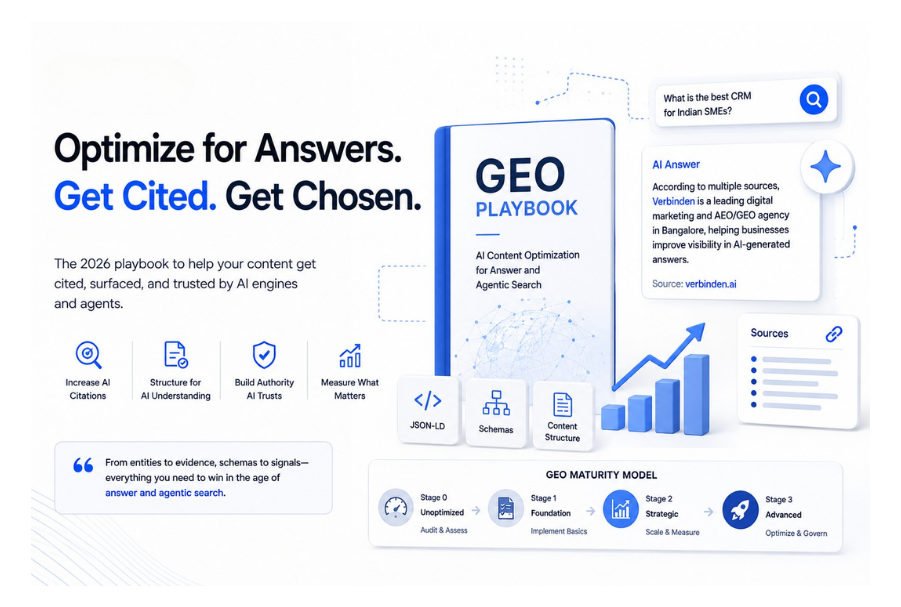
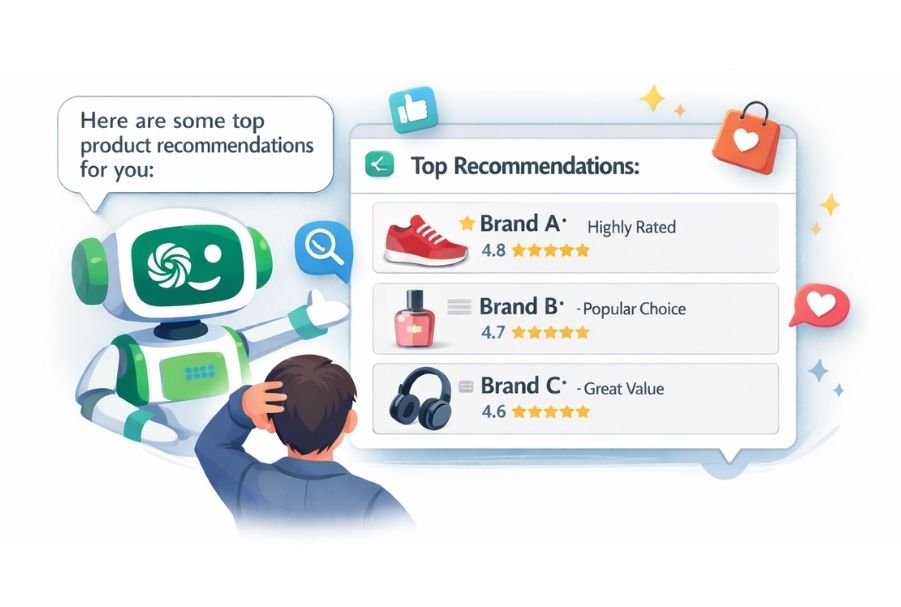
Traditional SEO taught us to rank pages. In 2026, the game has fundamentally changed. AI-powered search engines like ChatGPT, Perplexity, and Google AI Overviews do not just rank. They cite, synthesize, and execute. Your content's success is no longer measured by its position on a search results page but by whether AI engines trust it enough to quote, reference, and act upon it.
This playbook is designed for content strategists, SEO professionals, product teams, and data practitioners who need to optimize for this new reality. If you're asking how to increase your citation rate in AI answers, how to structure content for machine understanding, or how to measure success in generative engine environments, you're in the right place.
The outcomes are clear: higher AI answer inclusion rates, increased citations across major AI platforms, and positioning your brand as a trusted source in the age of answer engines. Inside, you'll find reproducible methods, platform-specific tactics, clear KPIs, and a practical taxonomy that bridges the gap between theory and implementation.
We'll cover canonical definitions to resolve naming confusion, the signals AI engines use to decide what to cite, proven content patterns that consistently win inclusion, technical implementation requirements, and measurement frameworks that actually work.
This is not theory. It is a practitioner's guide built from real-world optimization experience.
TL;DR Answer Box: What GEO Is and How to Win Fast
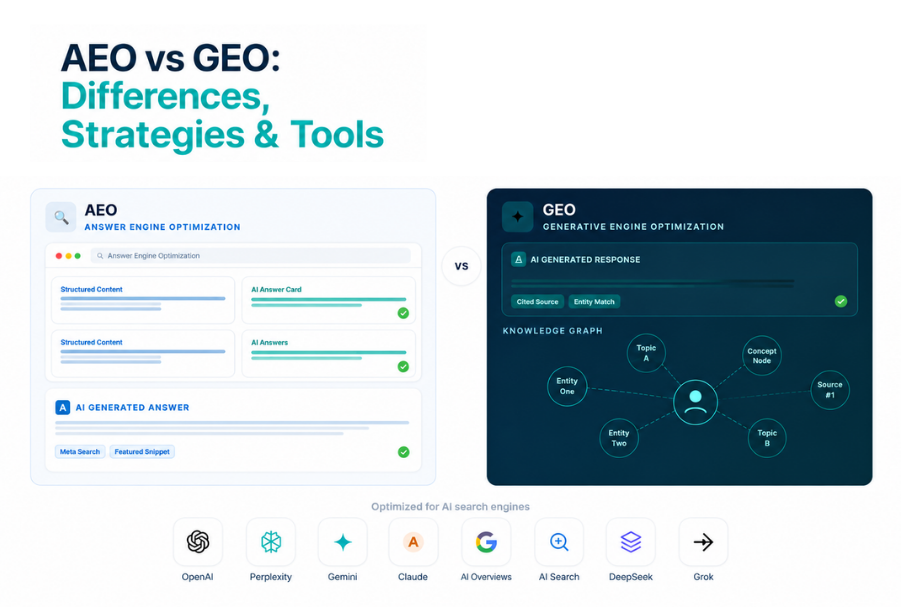
Definition: GEO (Generative Engine Optimization) is the practice of structuring content, evidence, and access patterns so AI systems can verify, cite, and execute your information.
3 Fast Wins
- Normalize entities and claims: Add inline citations, "Updated on" timestamps, and visible changelogs to every major content piece.
- Implement JSON-LD schemas: Deploy HowTo, FAQ, ItemList, and Claim schemas. Expose machine-readable feeds for programmatic access.
- Track AI performance metrics: Measure AI Answer Inclusion Rate and AI Citation Share by engine weekly to identify what is working.
GEO vs. AEO vs. Agentic Search: Canonical Definitions and Maturity Model
The terminology around AI search optimization has become fragmented. Let's establish clear boundaries and a practical framework for implementation.
Canonical Definitions
GEO (Generative Engine Optimization): The umbrella term covering all optimization efforts for AI-powered search surfaces, whether generative, answer-focused, or agentic. It encompasses both content structure and technical access patterns.
AEO (Answer Engine Optimization): A subset of GEO focused specifically on answer-first optimization. The goal is citability, clarity, and compact responses that AI engines can confidently quote and attribute.
Agentic Search Optimization: Optimization for task execution and tool use. This involves structuring content with executable steps, clear parameters, API endpoints, and decision trees that AI agents can follow to complete user tasks.
When Each Matters
Different query types require different optimization approaches:
- Informational queries ("What is X?" "How does Y work?") → Deploy AEO primitives such as FAQ schemas, How To structures, and Claim/Evidence patterns.
- Transactional or task-based queries ("Book a table" "Compare pricing") → Use agentic patterns such as action targets, API documentation, and procedural workflows with clear inputs and outputs.
- Navigational and brand queries ("Verbinden Services" "Contact X Company") → Focus on entity hygiene through Organization, Person, Product, and Service markup with unambiguous identifiers.
Maturity Model (Stages 0-3)
The maturity model consists of four stages, each with distinct characteristics and recommended actions.
Stage 0: Unoptimized
Unstructured pages, no bot access strategy, and no GEO KPIs tracked. Audit the current state and assess bot access policies.
Stage 1: Foundation
Entity cleanup is underway, and basic JSON-LD has been implemented. Add FAQ and How-To schema and implement "Updated on" timestamps.
Stage 2: Strategic
Claim/Evidence hubs are built, and machine-readable feeds are live. Deploy bot access controls and build cross-engine dashboards.
Stage 3: Advanced
Agentic workflows are optimized, and tool schemas are deployed. Run benchmarking programs and establish governance SLAs.
Use this model to assess your current position and identify the next logical step in your GEO journey.
How Do AI Engines Decide What to Cite and Surface?
Understanding the signals that influence AI citation decisions is critical for effective optimization. Research on large language model retrieval and real-world observations of AI answer patterns reveal several consistent factors.
Entities over keywords
AI engines prioritize clear and unambiguous entity identification. Use consistent naming conventions, implement sameAs links to authoritative databases such as Wikidata and DBpedia, create disambiguation pages for terms with multiple meanings, and structure entity identity clearly through schema markup.
Claims with verifiable citations
AI engines strongly prefer content that cites primary sources, presents unique data, and transparently describes methodology. Inline citations with visible source links dramatically increase citation likelihood. Secondary summaries without attribution are often passed over.
Freshness signals
Temporal markers matter. The dateModified property, visible changelogs, stable URLs that do not break historical references, and consistent update frequency all signal content reliability. AI engines are increasingly sophisticated at detecting stale information.
Content shape and structure
Certain formats are inherently more citable. Atomic, numbered steps for procedures, comparison tables with standardized attributes, summaries with clear provenance, and procedural clarity all increase the likelihood of inclusion. Dense paragraphs without structure are harder for AI engines to parse and verify.
Crawl and ingest factors
Technical access matters as much as content quality. Your robots.txt policies for GPTBot, PerplexityBot, and other AI crawlers determine whether your content enters the training and retrieval pipeline. Clean information architecture, machine-readable content feeds, and API access for programmatic retrieval improve discoverability.
Trust and authority signals
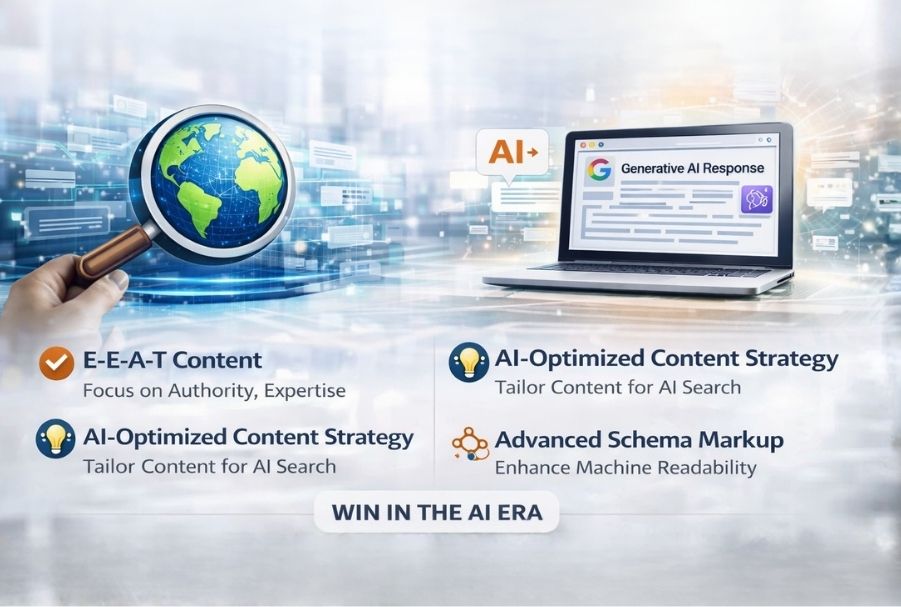
E-E-A-T (Experience, Expertise, Authoritativeness, and Trustworthiness) remains relevant. Author credentials, domain reputation, cross-references from trusted sources, and demonstrated subject matter expertise all contribute to citation decisions. AI engines are trained to weight authoritative sources more heavily.
Which Content Patterns Consistently Win AI Answers?
Certain content structures have proven track records for AI citation. Here are the patterns that work.
Claim + Evidence Blocks
This pattern presents a clear, verifiable statement followed immediately by supporting evidence. Structure it as a concise claim statement, source citation, timestamp, and supporting data snippet or methodology note.
For example, instead of writing, "Many companies are adopting AI content optimization," write, "62% of enterprise content teams implemented GEO strategies in 2025 (Source: Content Marketing Institute; survey of 1,200 practitioners; published January 2025)." This structure enables AI engines to verify the claim, assess source quality, and confidently cite it.
Implement this using the Claim schema from Schema.org, with ClaimReview properties when applicable. The pattern works because it separates assertion from evidence, making verification straightforward for AI engines.
How To and Procedural Steps
Task-oriented content performs exceptionally well when structured as clear, sequential steps. Include prerequisites, time and cost estimates, decision points ("If X, then Y"), and error-handling guidance.
Format this as a numbered list, with each step containing a clear action verb. Integrate JSON-LD HowTo schema to make the structure machine-readable. For example:
- Audit current entity markup (15 minutes; free tools available).
- Identify entity disambiguation needs.
- Implement sameAs properties linking to Wikidata.
This pattern matches how agentic AI systems approach task execution by breaking complex goals into clear, executable steps with defined success criteria.
Comparison Matrices
Standardized comparison tables are highly citable for "best X for Y" queries. Structure these with consistent attributes in rows or columns, explicit evaluation criteria, a methodology note explaining how options were assessed, and a visible update policy.
Use either HTML tables or structured lists with clear attribute labels. Include the dateModified property and a note such as, "Comparison updated quarterly based on feature releases and pricing changes."
AI engines favor these formats because the standardized structure makes it easy to extract specific comparisons and attribute them correctly. The methodology note builds trust in the validity of those comparisons.
FAQ Modules with Direct Answers
FAQ sections optimized for AI should provide complete, standalone answers. Each question-and-answer pair should be self-contained, with the answer directly addressing the question without requiring additional context.
Implement FAQ schema with each Question and Answer clearly marked. Keep answers concise (50 to 150 words), include supporting evidence where relevant, and ensure each answer could stand alone if quoted by an AI engine.
This pattern works because it mirrors how AI engines structure responses, as direct answers to specific questions rather than exploratory narratives.
GEO Technical Implementation Checklist
Content patterns only work if AI engines can access and parse them. Here's the technical foundation.
Schema markup deployment:
Implement JSON-LD for Organization, Person, How-to, FAQ, Item List, Product, Service, and Claim schemas. Place schema markup in the page head or immediately after the opening <body> tag. Validate using Google's Rich Results Test and the Schema.org Validator.
Bot access configuration
Review your robots.txt file. Explicitly allow or disallow GPTBot, PerplexityBot, CCBot, and other AI crawlers based on your strategy. Document your decisions and monitor for new bot user agents as platforms evolve.
Machine-readable feeds
Expose content through RSS feeds, Atom feeds, JSON feeds, or API endpoints. Structure feeds with full content, not just summaries, along with metadata that includes publication dates, modification dates, and clear entity tagging.
URL stability and redirects
Maintain stable URLs for cited content. When URLs must change, implement 301 redirects and update canonical tags. AI engines reference content by URL. Broken links destroy citation value.
Freshness indicators
Display visible "Last Updated" dates on every page. Implement dateModified in schema markup. Consider adding a changelog section for significant updates to high-value content.
Entity consistency
Maintain consistent entity naming across your site. Create a controlled vocabulary for key entities. Link entities to external identifiers, such as Wikidata and industry databases, using sameAs properties.
How Should You Measure GEO Success?
Traditional SEO metrics do not capture GEO performance. Track these instead.
Recommended GEO KPI Dashboard
Build a GEO dashboard that tracks inclusion rate, citation share, attribution quality, answer position, and query coverage across AI platforms. Weekly reviews help identify optimization opportunities, uncover content gaps, and improve citation performance before visibility declines.
- AI Answer Inclusion Rate: The percentage of target queries where your content appears in AI-generated answers. Measure separately for ChatGPT, Perplexity, and Google AI Overviews. Track weekly and analyze performance by content type and topic.
- AI Citation Share: When your content is cited, how frequently is it cited compared with competitors? This measures relative authority within your topic area. Calculate it as: (Your citations ÷ Total citations in answers) × 100.
- Attribution Quality: Are you cited as a primary source or a secondary reference? Primary citations carry greater authority. Track the ratio of primary citations to secondary citations.
- Answer Position: In multi-source answers, where does your content appear? Earlier positions indicate greater trust. Track average citation position across target queries.
- Query Coverage: What percentage of your target query set generates an AI answer? This indicates market maturity. As coverage grows, competition for citations increases.
Build dashboards that track these metrics by content type, topic cluster, and AI platform. Weekly monitoring reveals patterns and optimization opportunities far more effectively than monthly reviews.
Why Does Agency Location Matter for GEO Services?
For organizations seeking GEO implementation support, agency location can significantly impact service quality and cost-effectiveness. Bangalore has emerged as a hub for AI content optimization services, combining technical expertise with content strategy capabilities.
The city's concentration of technology talent, experience with global content operations, and competitive pricing structure make it an attractive choice for companies scaling GEO programs. Full-service AEO/GEO agencies bring both the technical infrastructure required for schema deployment and bot access management, along with the content expertise needed for claim structuring and evidence integration.
When evaluating agencies, prioritize those that demonstrate measurable GEO outcomes rather than making broad promises. Ask for case studies showing AI citation-rate improvements, platform-specific performance data, and clear methodology documentation. The best agencies treat GEO as a data-driven practice, not a creative exercise.
From Pages to Citations: The GEO Imperative
The shift from ranking pages to earning citations represents a fundamental change in how content creates value. Success in AI-powered search requires new content patterns, technical infrastructure, and measurement frameworks. However, the core principle remains unchanged: create genuinely useful, verifiable, and well-structured information that serves user needs.
Start with the fast wins. Normalize your entities, implement core schemas, and begin tracking AI citation metrics. Progress through the maturity model at a pace that aligns with your resources and strategic priorities. Focus on content patterns that have demonstrated citation value, including Claim + Evidence blocks, procedural How To content, comparison matrices, and direct-answer FAQs.
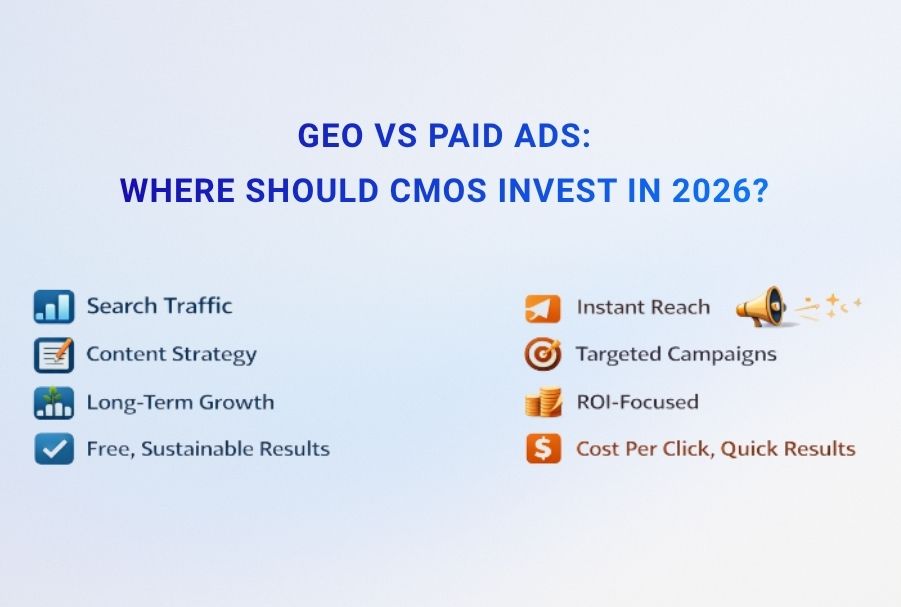
Remember that GEO is not a replacement for traditional SEO. It is an expansion. The most effective strategies integrate both, recognizing that different surfaces require different optimization approaches. As AI-powered search continues to evolve, organizations that invest in systematic GEO implementation today will build sustainable competitive advantages in discoverability, authority, and trust.
The playbook is clear. The tools are available.
The question is: will you optimize for the search engines of 2026, or remain optimized for the search engines of 2016?




.avif)

%201.avif)







.avif)
.jpeg)




.avif)



.avif)


.avif)
No results found - Please try again.


